Fix Drywall Tape Coming Off: 3 Ways To Repair
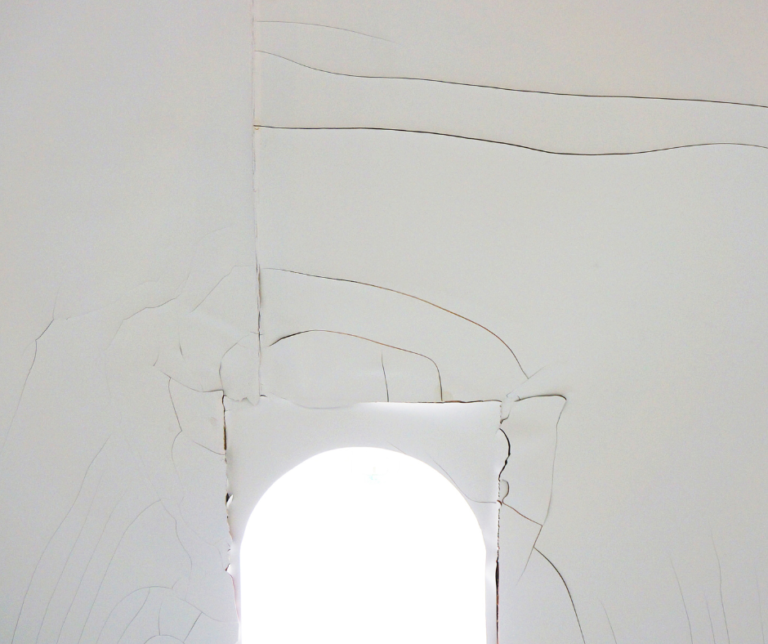
Dealing with the frustrating issue of drywall tape coming off can be a common problem for homeowners. Not only does it affect the overall aesthetics of your walls, but it may also be an indication of underlying issues with the drywall installation or moisture. Fortunately, there are several effective options available to address this problem. In this comprehensive guide, we will explore the best three solutions for fixing drywall tape that is peeling or coming off. By understanding these options and their step-by-step processes, you can choose the most suitable approach to restore the integrity, appearance, and functionality of your walls.
#1 Reapplying Drywall Tape
Reapplying drywall tape is one of the primary options for fixing tape that is coming off. This method involves removing the loose or damaged tape and replacing it with new tape. Let’s explore the step-by-step process in detail.
Prepare the area
Start by carefully removing the loose tape using a putty knife or a utility knife if needed. Most loose tape will easily peel off. If you are only trying to repair the small area of loose tape, follow the tape line (straight) and cut through the drywall with a sheetrock knife past the loose tape. This is much easier to explain as a visual – so here is from a recent job where I repaired drywall tape coming off. This was caused by an upstairs water leak.
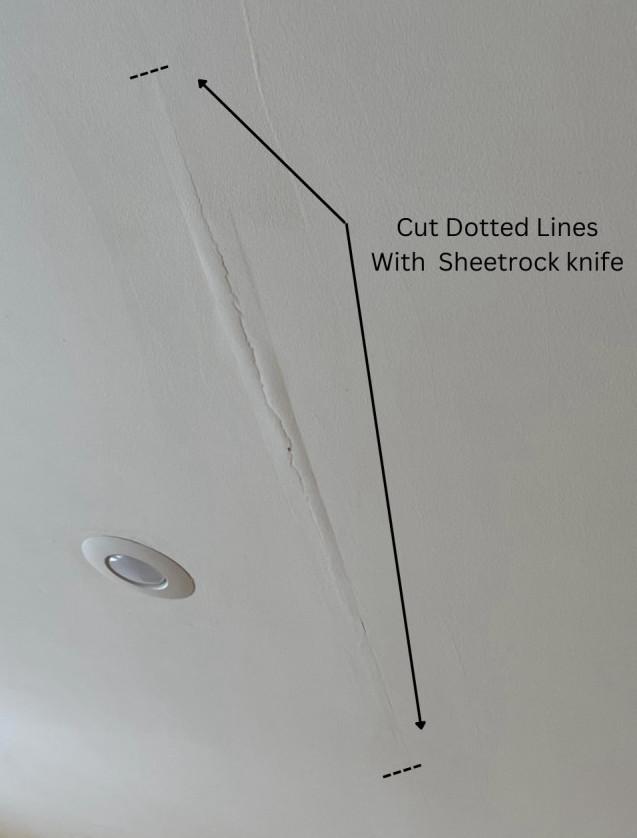
Once the old tape is peeled back and removed, inspect the drywall for any loose areas. I typically will slightly push into the wall or ceiling to make sure the drywall is secured well. Clean the area thoroughly, removing dust and debris, and ensure the surface is dry before proceeding.
Apply joint compound
Next, apply a thin layer of all-purpose joint compound to the area where the tape will be placed. Use a putty knife or a taping knife to spread the compound evenly. This will create a smooth and adhesive surface for the new tape to adhere to.
Apply new drywall tape
Gently press the new drywall tape into the joint compound, ensuring it is centered and aligned correctly. Smooth out any air bubbles or excess compound with a putty knife. Press firmly to ensure good adhesion. Once the tape is in place, apply an additional layer of joint compound over it, feathering the edges to create a seamless transition with the surrounding wall.
Dry, sand, prime, and paint
Allow the joint compound to dry completely, following the manufacturer’s instructions. Once dry, sand the repaired area gently using fine-grit sandpaper to create a smooth surface. Wipe away any dust with a damp cloth. Apply a coat of primer to the repaired area to ensure proper paint adhesion. Finally, paint the area to match the rest of the wall, blending the repair seamlessly.
#2 Using An Adhesive
Using drywall tape adhesive is another effective solution for fixing tape that is coming off. This method involves applying an adhesive directly to the back of the loose tape and firmly pressing it onto the wall surface. This option is more of a “quick-fix”. Let’s explore the step-by-step process in detail.
- Prepare the area: Before starting, clean the area around the loose tape and remove any debris or loose particles. A clean surface ensures better adhesion of the tape.
- Apply adhesive: Apply a thin layer of adhesive to the back of the loose tape using a putty knife or a small brush. Make sure to spread the adhesive evenly to ensure proper adhesion. Avoid applying too much adhesive, as it can seep through the tape and create a messy appearance.
- Press the tape in place: Once the adhesive is applied, press the tape firmly onto the wall, starting from one end and working your way to the other. Use a putty knife or a drywall knife to remove any excess adhesive or air bubbles. Apply even pressure to ensure the tape adheres properly.
- Allow drying and finish: Allow the adhesive to dry completely as per the manufacturer’s instructions. It is important not to disturb or touch the tape during this drying period. Once dry, apply a thin layer of joint compound over the tape, feathering the edges to blend with the surrounding wall. After the compound dries, sand the area gently, apply primer, and finish with paint to achieve a seamless and durable repair.
#3 Hiring a Drywall Repair Professional
For homeowners who simply don’t have the time, skills, or confidence to tackle drywall tape repairs themselves, hiring a professional can be the best option. Professional drywall repair contractors have the expertise and tools to address the issue efficiently and deliver high-quality results. Let’s explore the advantages of hiring a professional and what to consider when making this decision.
Find Drywall & Insulation Contractors. Get Up to 4 Quotes Now. It’s Quick, Free, and Easy!
- Expertise and experience: Professional contractors specialize in drywall repairs and have the necessary knowledge and skills to handle various types of tape coming off issues. They can accurately assess the extent of the damage, determine the underlying cause, and recommend the most suitable repair approach.
- Time-saving: Drywall repairs can be time-consuming, especially for inexperienced individuals. Hiring a professional allows you to save time and focus on other tasks while the experts handle the repair work efficiently.
- Quality results: Professional contractors have access to specialized tools and materials, enabling them to deliver high-quality results. They can ensure the repaired area blends seamlessly with the rest of the wall, providing a professional finish.
When hiring a professional contractor, consider the following:
- Experience and references: Ensure the contractor has experience in drywall repairs specifically and ask for references or examples of their previous work.
- Cost estimation: Request a detailed cost estimate for the project, including labor, materials, and any additional charges.
- Timeline: Discuss the expected timeline for the repair work to ensure it aligns with your schedule.
- Insurance and licenses: Confirm that the contractor is adequately insured and possesses the necessary licenses to carry out the work.
Conclusion
Dealing with drywall tape coming off doesn’t have to be a daunting task. By considering the three best options mentioned in this comprehensive guide—reapplying drywall tape, using drywall tape adhesive, or hiring a professional—you can choose the approach that suits your skill level, available time, and budget. Whether you prefer a DIY solution or rely on professional expertise, addressing the issue promptly will help restore the integrity, appearance, and longevity of your walls. Remember, taking care of drywall tape repairs will not only enhance the visual appeal of your living space but also contribute to the overall quality and value of your home.