
Home Renovations: 10 Projects To Increase Your Property Value
Your home is more than just a place to rest your head; it’s a valuable investment. Whether you’re planning to sell in the future or simply want to enhance your living space, strategic home renovations can work wonders. In this in-depth guide, we’ll embark on a journey through ten transformative home improvement projects. These projects not only elevate your quality of life but also have the power to skyrocket your property’s market value. Join us as we explore how you can unlock your home’s hidden potential and make the most of your greatest asset.
Kitchen Remodel
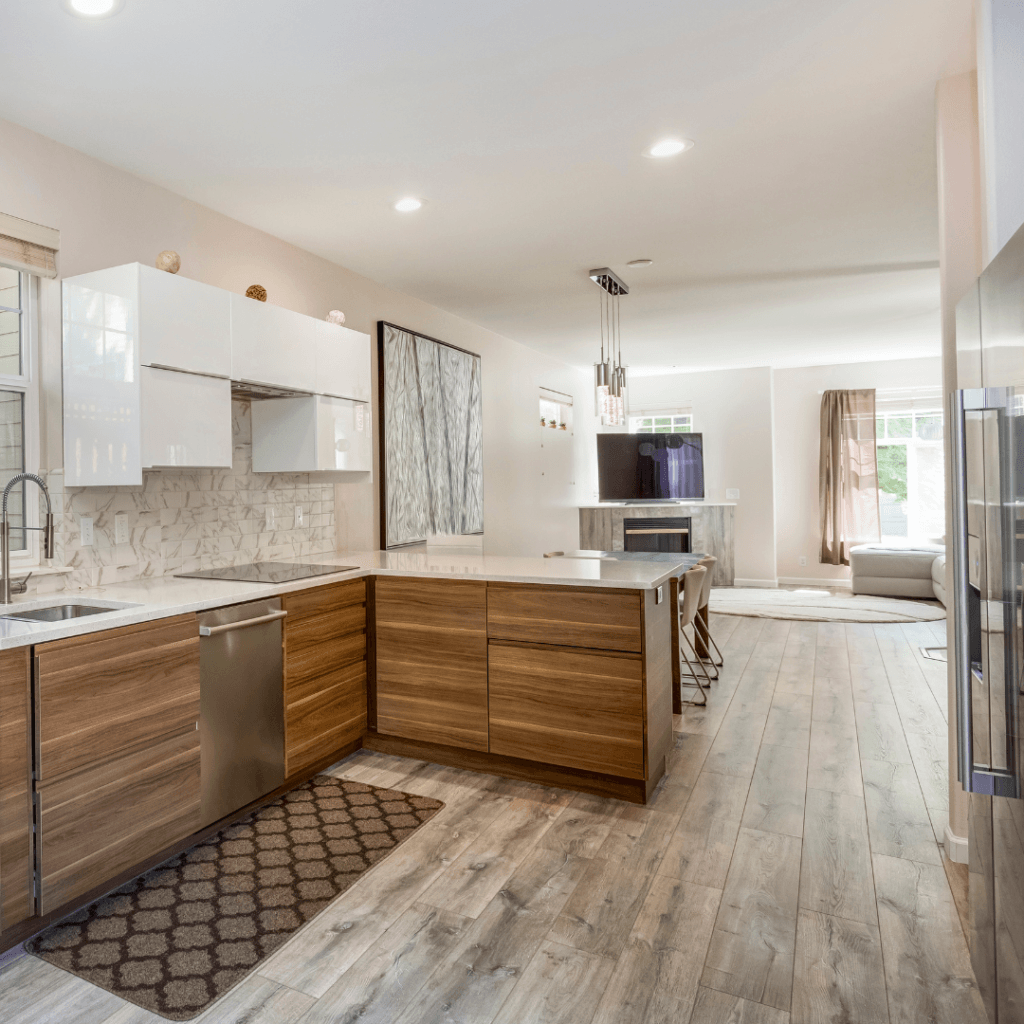
A kitchen remodel is an investment that can pay off handsomely. Beyond aesthetics, focus on functionality. Consider upgrading countertops, cabinetry, and appliances, and don’t forget the allure of an open layout that encourages interaction and space efficiency.
- Countertops: Choose from granite, quartz, or butcher block for durability and aesthetics.
- Cabinetry: Opt for custom or semi-custom options to maximize storage and style.
- Appliances: Energy-efficient models save money in the long run.
- Open Layout: Knocking down walls can create a sense of spaciousness.
Bathroom Renovation
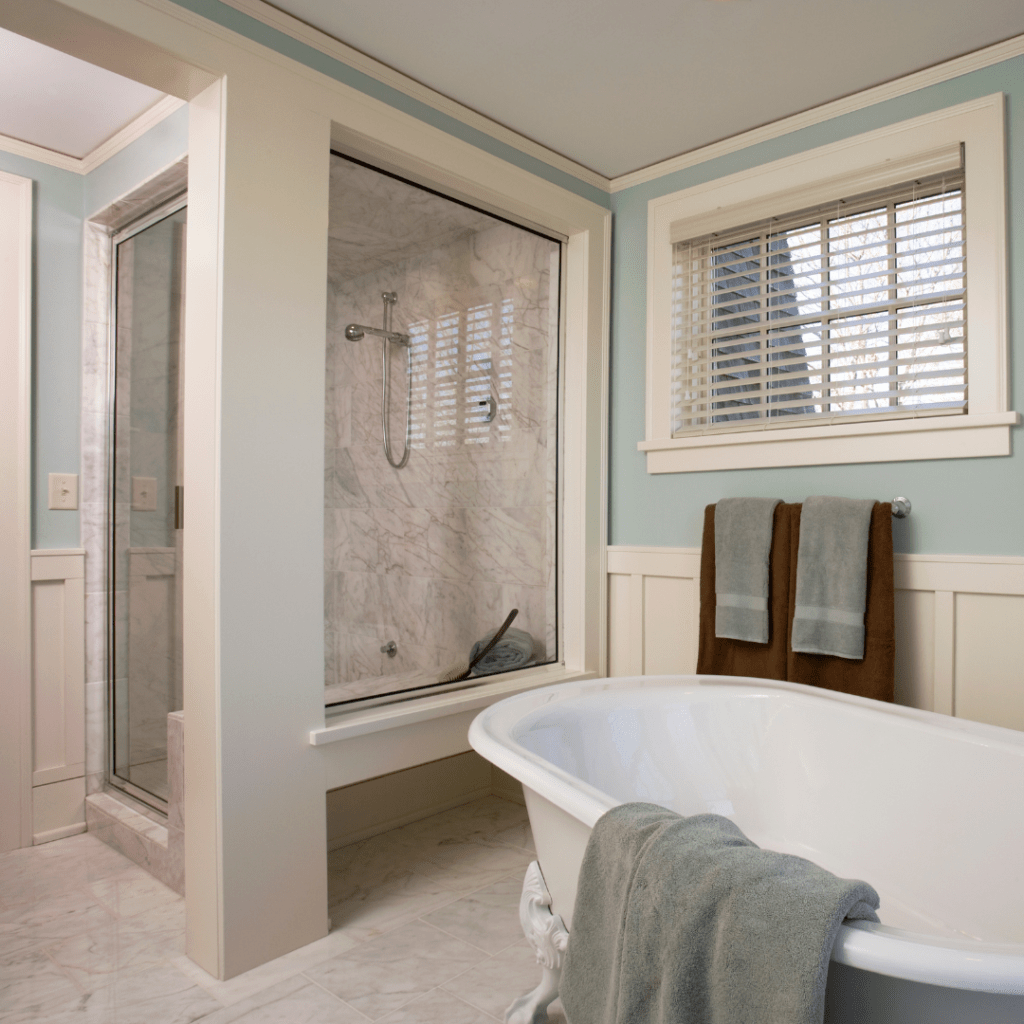
Bathrooms are more than functional spaces; they can be tranquil retreats. Explore fixtures, tiles, and storage solutions that elevate both your daily life and your home’s appeal to potential buyers.
- Fixtures: Swap outdated fixtures for stylish, water-efficient ones.
- Tiles: Consider timeless, neutral tiles and patterns for a sophisticated look.
- Storage: Ample storage is a must for any bathroom; think about built-in cabinets and clever shelving.
Curb Appeal: The First Impression
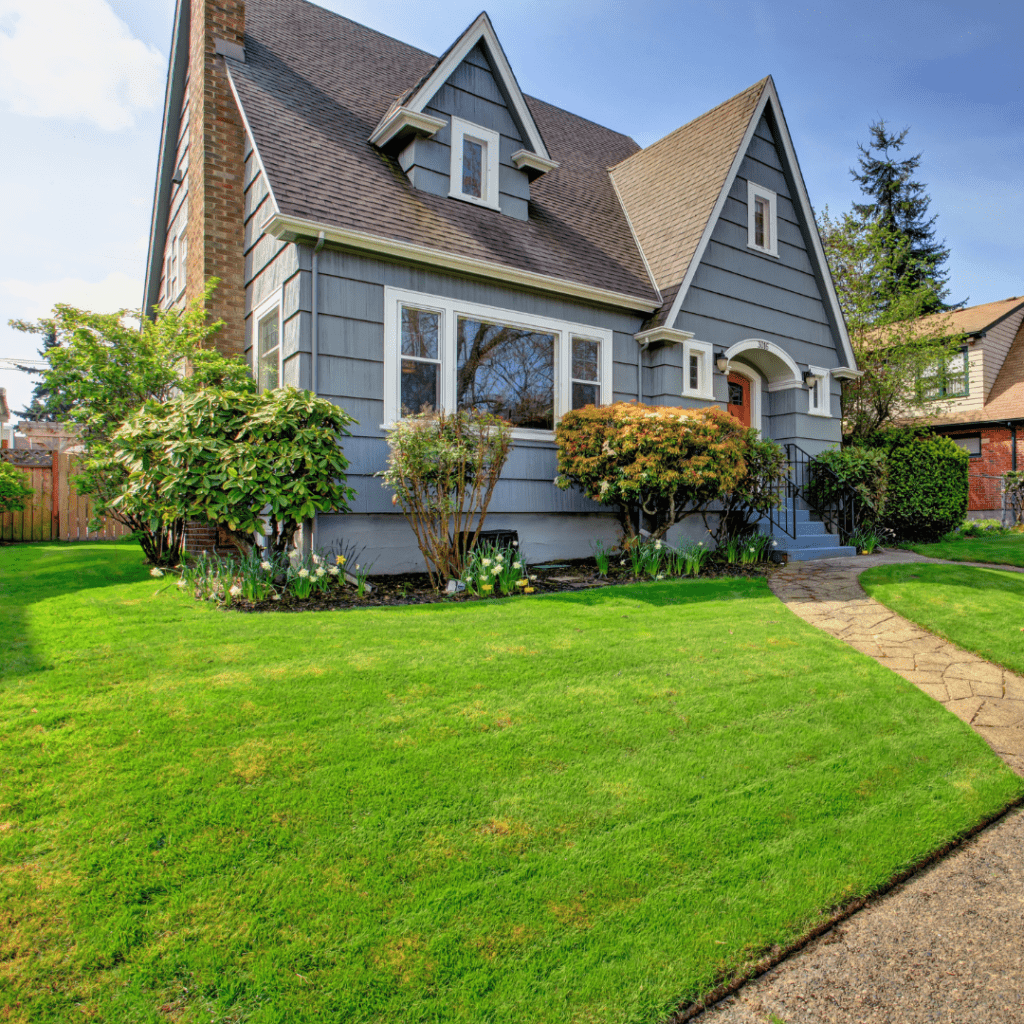
Your home’s exterior is its first impression. Landscaping, lawn care, and an inviting entryway are essential to captivating potential buyers.
- Landscaping: Invest in native plants and shrubs that require less maintenance.
- Lawn Care: Regular mowing, fertilizing, and edging make a noticeable difference.
- Entryway: Update your front door, add a welcoming doormat, and consider fresh paint.
Energy Efficiency Upgrades
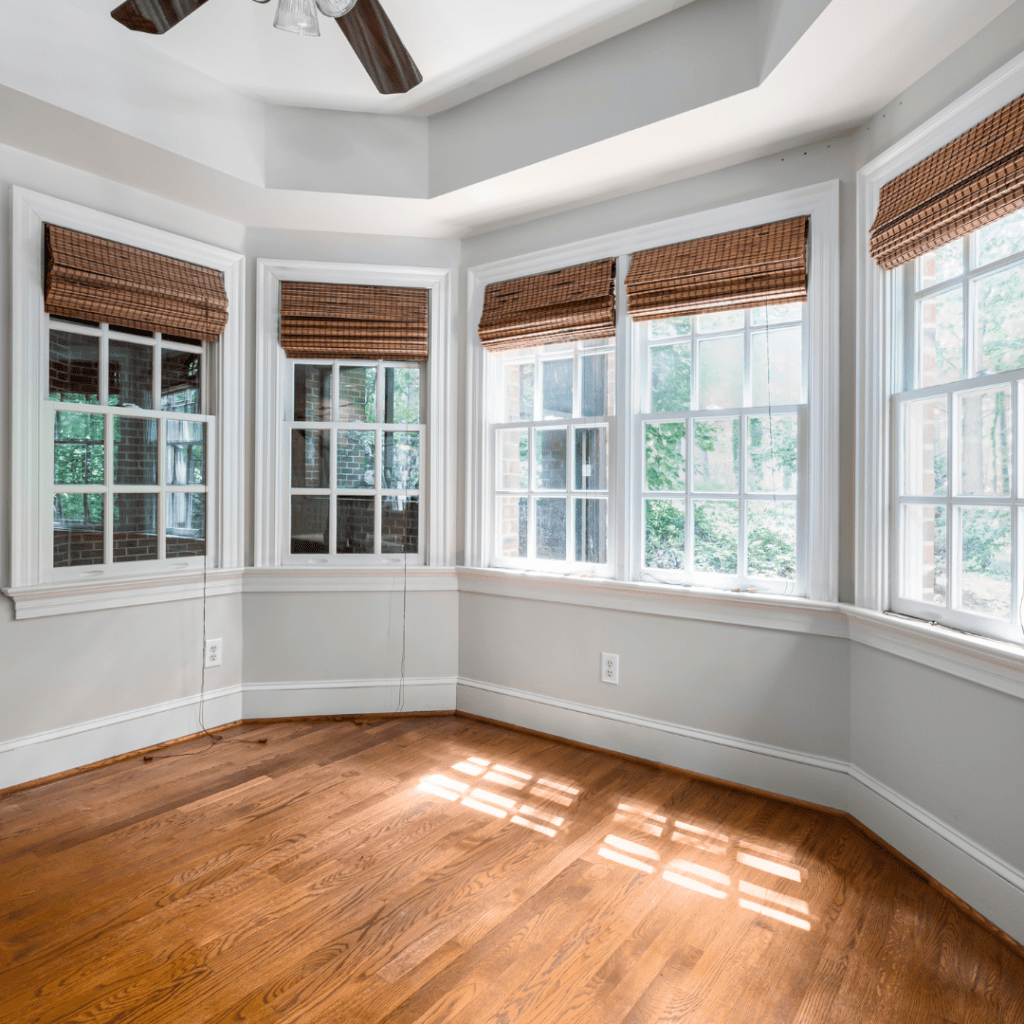
Prioritize sustainability by improving energy efficiency. Enhancements like insulation, upgraded windows, and energy-efficient HVAC systems reduce utility bills and align with eco-conscious buyers’ preferences.
- Insulation: Ensure your home is well-insulated for energy savings.
- Windows: Choose double or triple-pane windows for improved insulation.
- HVAC: Upgrade to a more energy-efficient furnace or air conditioner.
Basement Transformation
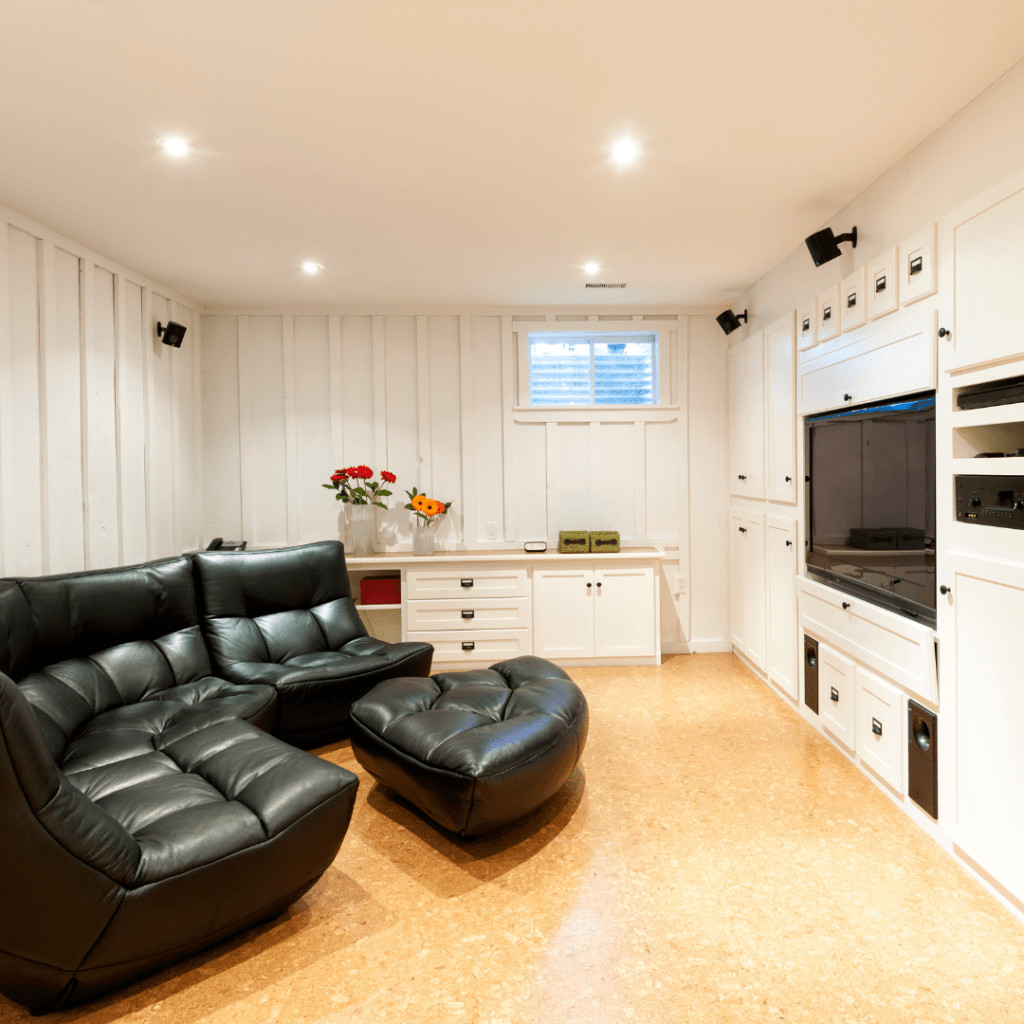
A finished basement is a treasure trove of additional living space. Convert it into a home office, entertainment area, or even a guest suite to increase your home’s versatility.
- Moisture Control: Address moisture issues to prevent mold and mildew.
- Lighting: Adequate lighting is crucial; consider recessed lighting or track lights.
- Egress Window: If you plan to use it as a bedroom, ensure there’s a legal egress window for safety.
Outdoor Spaces
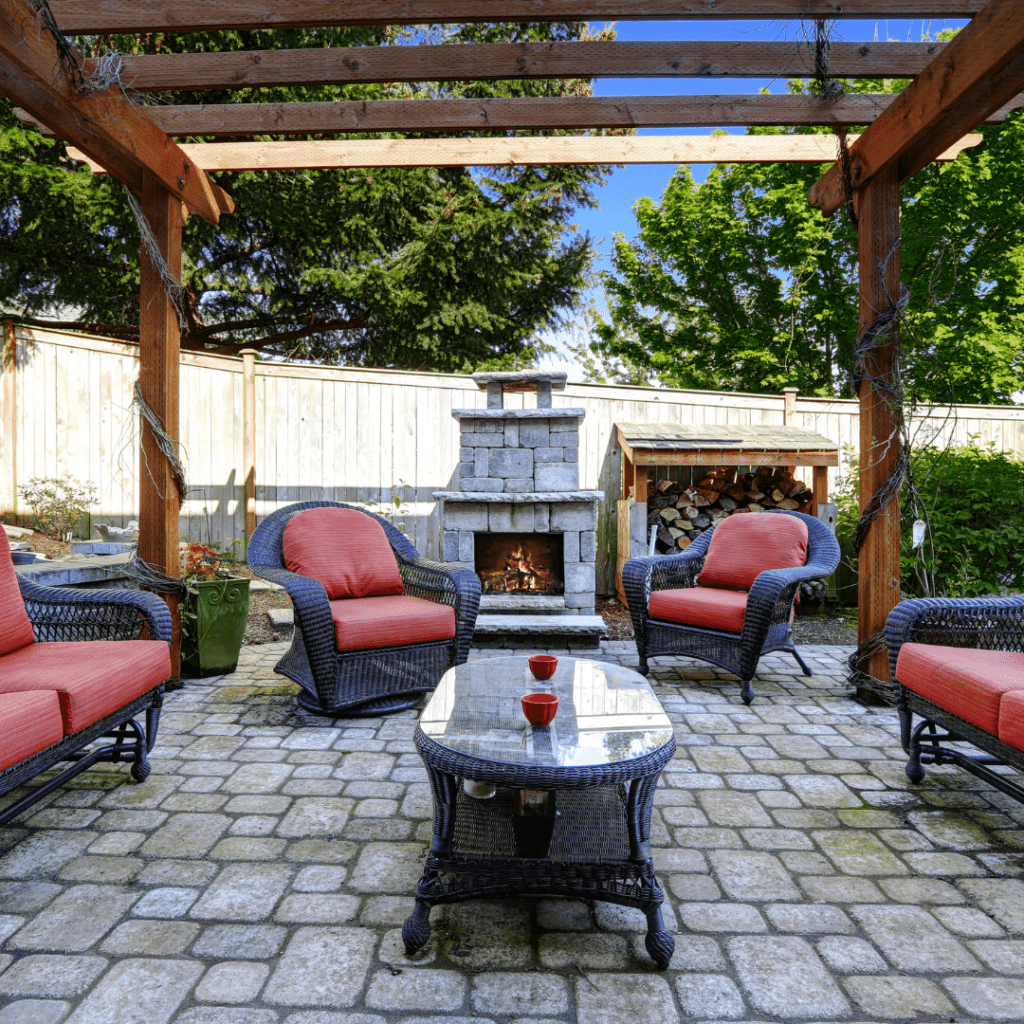
Outdoor living spaces are in high demand. Adding a deck, patio, or even a pergola can extend your usable living area and create an ideal spot for relaxation and entertainment.
- Deck or Patio: Choose materials that suit your climate and style preferences.
- Furniture: Invest in quality outdoor furniture for comfort and durability.
- Greenery: Incorporate landscaping elements for a seamless transition between indoors and outdoors.
Attic Conversion: Unused Space
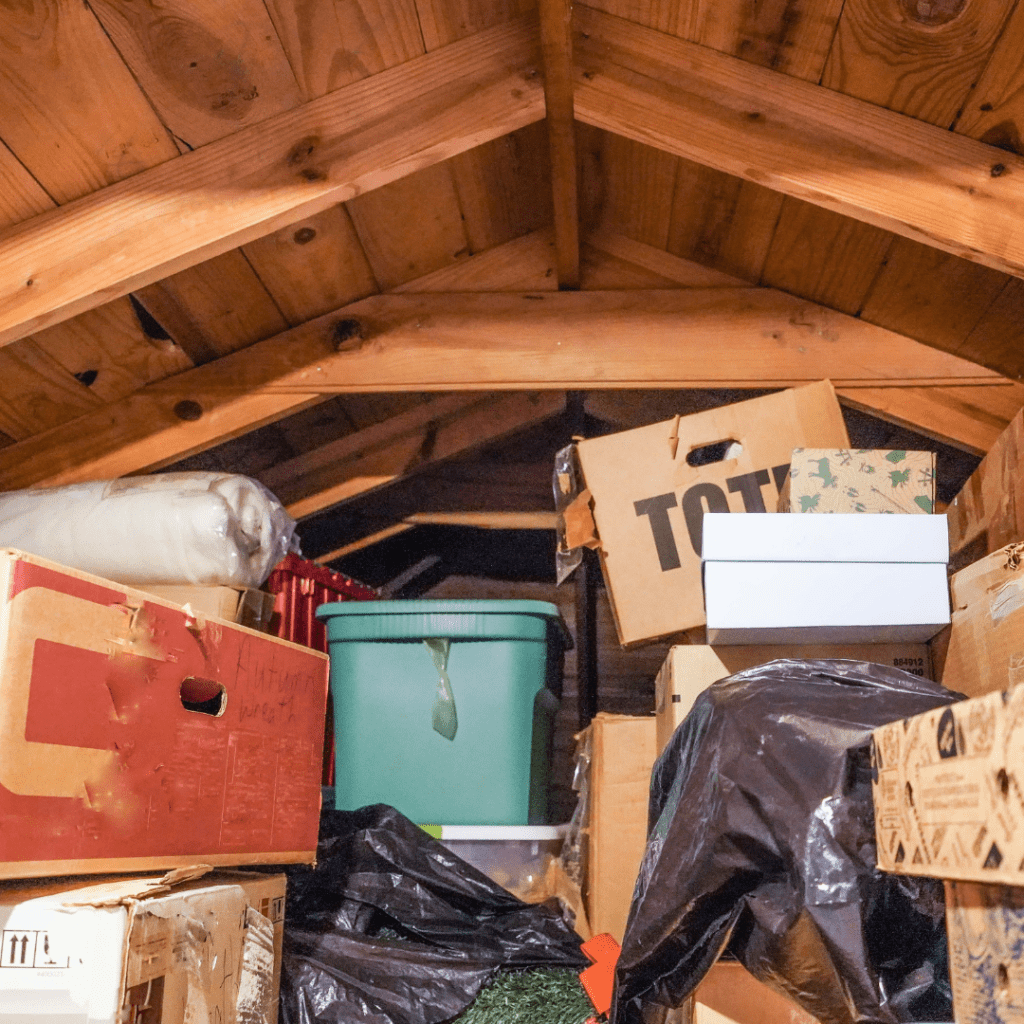
Transforming your attic into a functional living space is a fantastic way to add square footage and increase your home’s market value.
- Insulation and Ventilation: Ensure proper insulation and ventilation for comfort.
- Staircase: Consider the design of the staircase for accessibility and aesthetics.
- Natural Light: Add windows or skylights for natural illumination.
Smart Home Integration
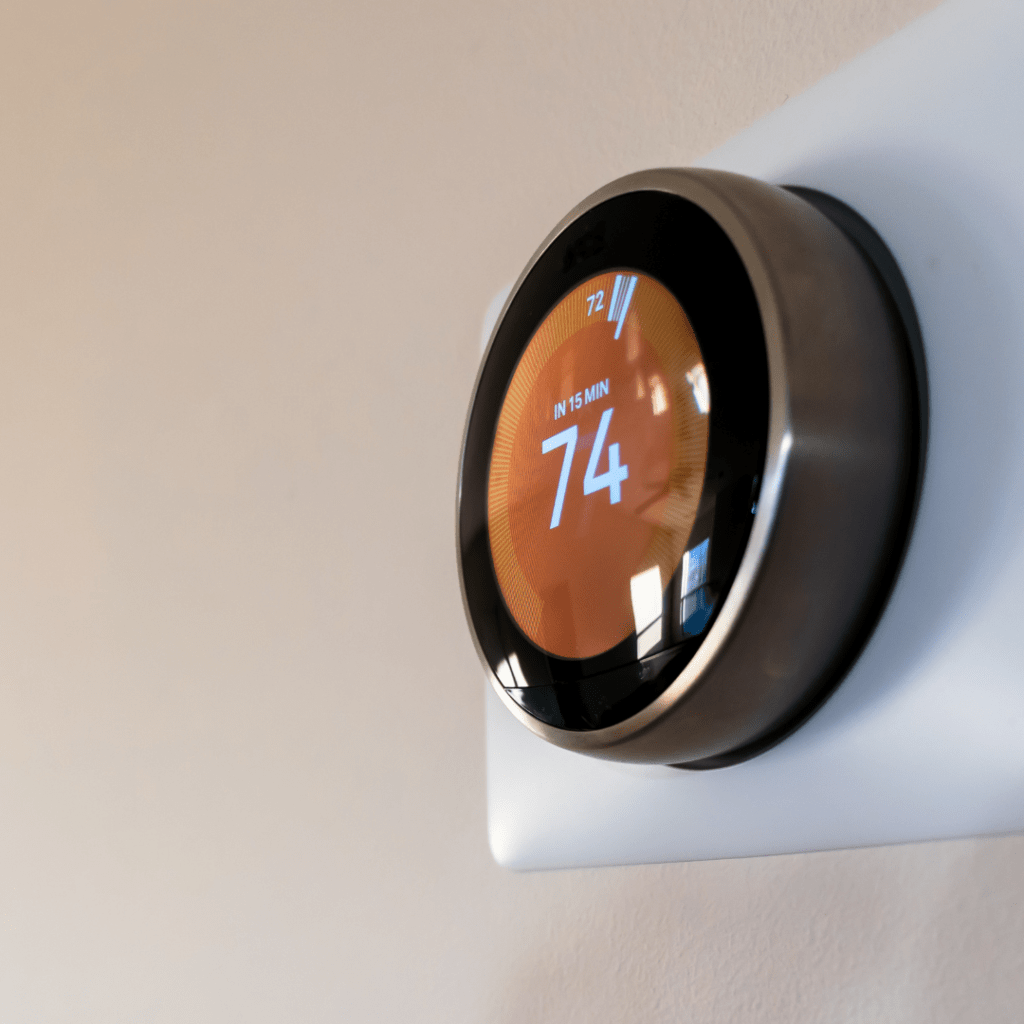
Modernize your home with smart features that appeal to tech-savvy buyers. From thermostats to security systems, these upgrades enhance your home’s convenience and desirability.
- Thermostats: Smart thermostats learn your preferences and save on energy costs.
- Security: Invest in a smart security system with remote monitoring and alerts.
- Lighting: Smart lighting systems allow you to control ambiance and energy use.
Fresh Paint and Flooring
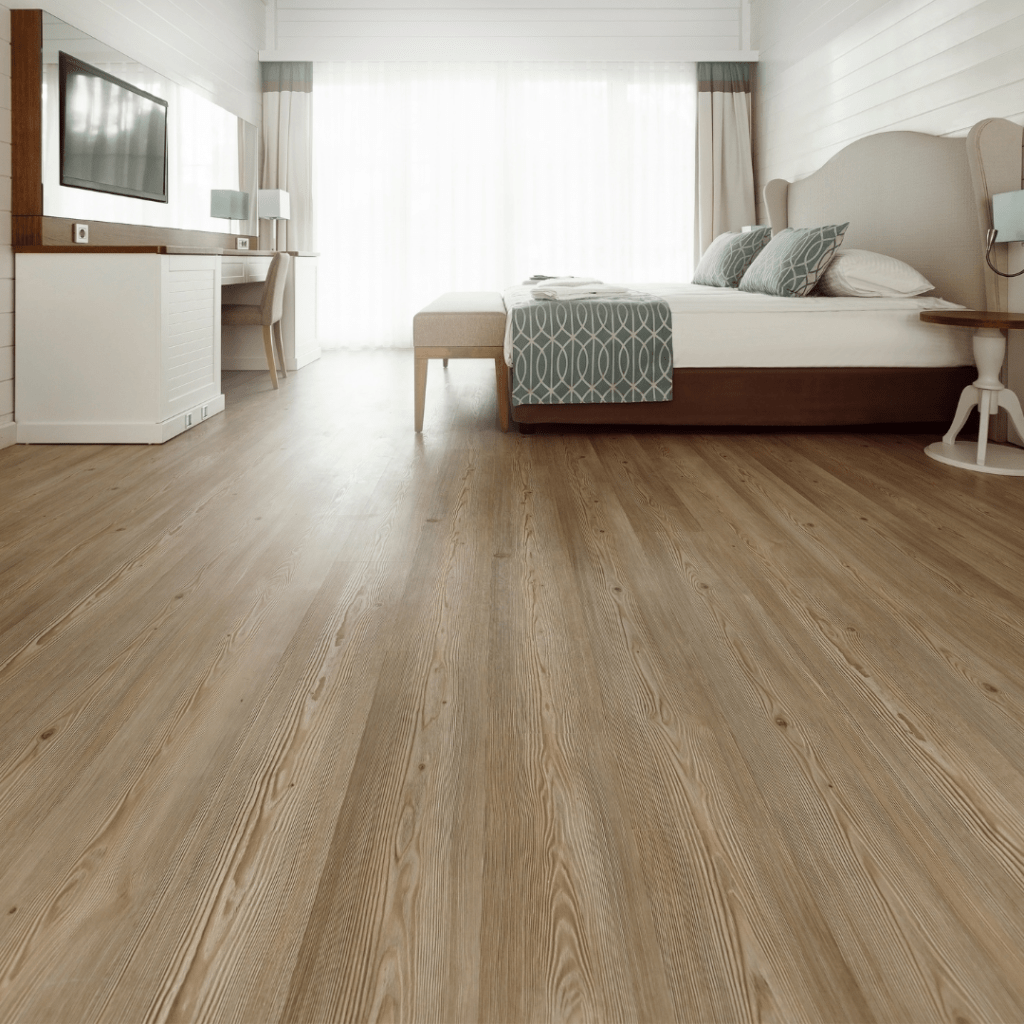
A fresh coat of paint and updated flooring can rejuvenate your home’s interior. Opt for neutral colors and high-quality materials to attract a broader range of potential buyers.
- Paint: Choose trendy yet neutral colors; consult with a color expert if needed.
- Flooring: Hardwood, engineered wood, or high-quality laminate can transform a space.
Additional Bathrooms
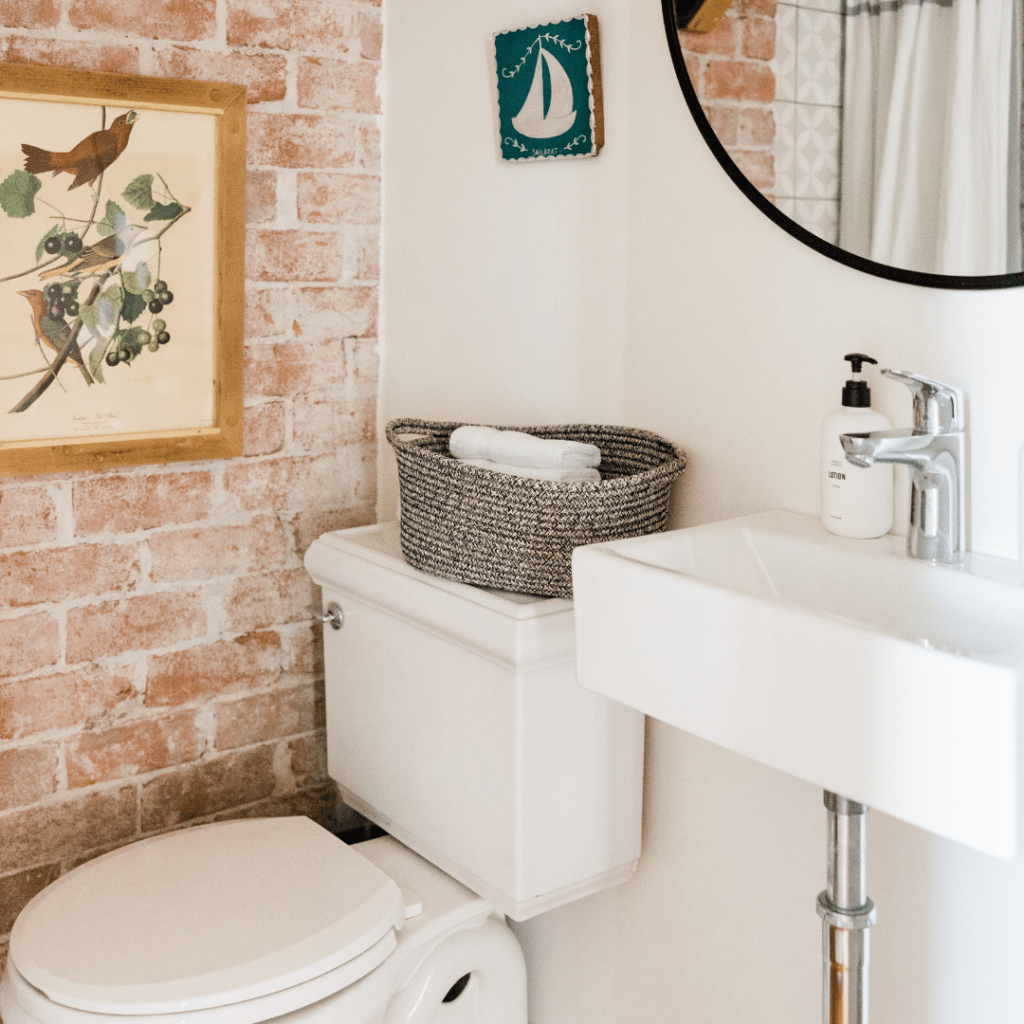
If your home has just one bathroom, adding an extra one can be a game-changer, especially for families. The convenience of multiple bathrooms is a significant selling point.
- Assess your space for the best location to add a bathroom.
- Ensure you have adequate plumbing and drainage in the chosen area.
- Opt for a design that complements your home’s overall style.
Conclusion
In conclusion, your home is not just a place to live; it’s a valuable asset. By strategically investing in these ten renovation strategies, you can not only elevate your quality of life but also increase your property’s market value. Remember to align your renovations with your budget, lifestyle, and long-term goals. Consult professionals to ensure optimal results and compliance with local regulations. Your home is your canvas; paint it with innovation and watch its value soar.